Many SMB owners check rankings once and then forget, which makes it hard to know what is working. A simple setup linked to your Google Search Console guide for small business helps you track progress monthly without spending hours or buying complex software.
What Should a Small Business Actually Track?
You do not need to track hundreds of keywords. For most Indian SMBs, twenty to forty queries are enough. Focus on service plus location phrases that bring calls, such as dentist in Kothrud, interior designer in Vadodara, or GST consultant in Pune. Add a few service-only phrases and a few brand terms so you can see overall visibility and local demand.
Group keywords by intent. Informational queries like how to choose tiles show interest, while transactional queries like book pest control show buying intent. When supported by steady SEO services, transactional local phrases often move first and bring practical feedback. Track both types, but judge success mainly on enquiries, calls, and direction requests, not just positions.
Free and Simple Methods to Check Rankings in India
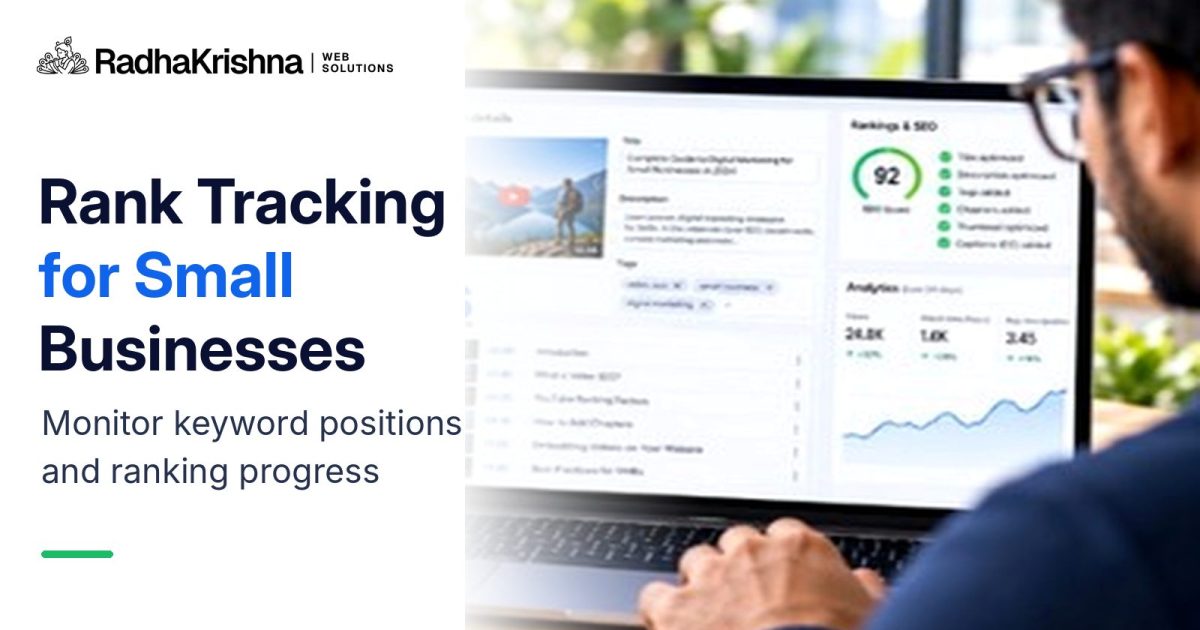
Start free with Search Console. It shows average position, clicks, and impressions for queries your site already appears for. This is the most honest baseline because it reflects real Google data for your site. Check the performance report monthly, filter by your city pages, and note which queries bring clicks versus only impressions. Pair this with manual mobile checks in incognito for your top five money keywords.
- Use Search Console performance report for average position and clicks by query.
- Record top twenty service plus city phrases in a simple Google Sheet.
- Check maps and local pack separately, as they differ from organic listings.
- Note device and area, since results change between Pune and Vadodara.
- Save screenshots monthly so you can compare without costly tools.
Avoid checking rankings daily. Local results move with location, time, and browsing history, so daily checks create confusion. A fortnightly or monthly rhythm is enough for most SMBs. If you run digital marketing ads in the same area, note ad periods separately so you do not mix paid visibility with organic movement.
How to Set Up a Clean Rank Tracking Sheet
Create one sheet with columns for keyword, location, page URL, current position, previous position, search intent, and notes. Add your Google Business Profile link for local queries. Update it on the same date each month, ideally after the first week when results are more stable. Keep colours simple: green for improved, yellow for stable, red for dropped.
| Column | What to Enter | Example |
|---|---|---|
| Keyword and city | Exact phrase plus area | Website design cost in Pune |
| Landing page | URL ranking or targeted | Services plus contact page link |
| Position and change | Current versus last month | Position 8, up from 12 |
| Action needed | Next content or fix | Improve FAQs and internal links |
This sheet becomes your single source of truth. Share it with your writer or agency so content updates target pages that actually need help. If you use basic automation services, you can set a monthly reminder to update positions and add Search Console exports automatically, which saves time for a busy owner handling sales and operations.
How Often to Review and What Changes to Make
Review ranks monthly, but make content changes quarterly unless there is a sharp drop. Small moves of one or two spots are normal. Focus on trends over three months. If a service page stays beyond page two for its main city phrase, improve the title, add FAQs from real customer calls, add local proof like areas served, and strengthen internal links from related blogs.
Do not rewrite the whole site every month. Steady improvements work better for SMBs with limited time. Update one or two priority pages per month, publish one helpful blog linked to them, and keep business listings consistent. This calm rhythm avoids panic and helps you see which actions actually support calls and form fills.
Local Tips for Pune and Vadodara SMBs
Track area-level phrases, not just city level. In Pune, Baner and Hinjewadi can show different results from Katraj or Viman Nagar. In Vadodara, Alkapuri and Manjalpur may differ from Waghodia Road. If you serve specific societies or MIDC zones, add those phrases separately. Also track Maps actions like calls and direction requests, since many local buyers convert without visiting your website.
Choosing the right keywords: examples for service businesses
A useful list reads like a menu of jobs you actually want. Start from past enquiries: the phrases callers used, the localities they called from, and the services with the best margins. A pest-control business in Vadodara might track cockroach treatment in Manjalpur, termite inspection in Alkapuri, and society AMC near Waghodia Road; a clinic in Kothrud would track dentist in Kothrud, painless root canal in Pune, and teeth cleaning cost in Kothrud. Twenty to forty such phrases, each tied to a specific landing page, beat two hundred loosely related terms. Review the list quarterly against actual enquiries, as described in our metrics that matter for growth teams, and prune phrases that never produce conversations even when they rank.
- Money phrases first - service plus locality combinations that brought calls before.
- Then proof phrases - cost, reviews, and near-me variants of the same services.
- One page per phrase - every tracked keyword names the page meant to rank for it.
How to read movement without panicking
Positions wobble with locality, device, and personalisation, so read movement in bands rather than single digits. A shift of one or two places is noise; a sustained slide across a quarter, or disappearance from the local pack while organic holds, deserves investigation. Separate the surfaces explicitly: classic organic, the Maps pack, and mobile versus desktop.
| What you see | Likely meaning | Sensible next step |
|---|---|---|
| Up or down one or two spots | Normal fluctuation | No action; watch the quarterly trend |
| Steady slide over three months | Relevance or freshness gap | Refresh title, FAQs, and internal links |
| Sudden drop across many keywords | Technical or manual issue | Check Search Console coverage first |
When a sharp drop appears, check diagnostics before rewriting anything. Our SEO monitoring and alerts guide shows which alerts rule out technical causes first.
Linking rank tracking to enquiries and monthly actions
Rankings earn their place only when tied to calls, WhatsApp starts, and form fills from the same pages. Each month, place your sheet beside Search Console clicks and your enquiry log: which phrases brought impressions but no clicks, which pages got clicks but no enquiries, and which localities call most relative to visibility. That comparison writes next month's list, whether a title rewrite, a clearer call button, or a new area page. Pick at most two priority pages and one supporting article per month, record what changed, and revisit after a quarter. The GA4 setup mistakes guide is worth a re-read here, since broken event tracking is a frequent reason rankings and revenue seem disconnected.
Common rank-tracking mistakes SMBs should avoid
Checking from a signed-in browser at the shop counter overstates brand visibility; tracking without localities masks how Baner and Katraj differ; hiding the work in personal bookmarks makes trend comparison impossible when staff change. And many owners expand the list endlessly instead of acting on the first twenty phrases. One privacy note: the rank sheet itself is aggregated and needs no special handling, but if you attach named enquiry logs to it, India's DPDP expectations apply to that personal data, so keep the sheet anonymous and restrict the log.
Keep expectations practical. New pages often take weeks to settle, and competitive niches take longer. Focus on steady visibility growth, better clicks for enquiry pages, and consistent business information across the web. Rankings are a guide, not the final goal. The final goal is more qualified conversations with local customers.
Need help setting up simple rank tracking and monthly reviews? Contact RadhaKrishna Web Solutions for friendly guidance, or call +91 70962 91214 to build a tracking sheet that suits your Pune or Vadodara business.
Frequently asked questions
How many keywords should an SMB track?
Twenty to forty service plus location phrases are enough for most SMBs. Focus on terms that can lead to calls rather than broad informational keywords.
How often should small businesses check rankings?
Monthly checks are enough for most local businesses. Daily movement is normal due to location and personalisation, so review trends over three months.
Can I track ranks without paid tools?
Yes. Use Search Console for real position and click data plus a simple sheet for manual checks. Maps insights also show local calls and direction requests.
My rankings slipped two spots this week. Should I rewrite the page?
No. Weekly moves of one or two spots are normal noise. Act only on sustained three-month trends, or on sharp site-wide drops after checking Search Console first.