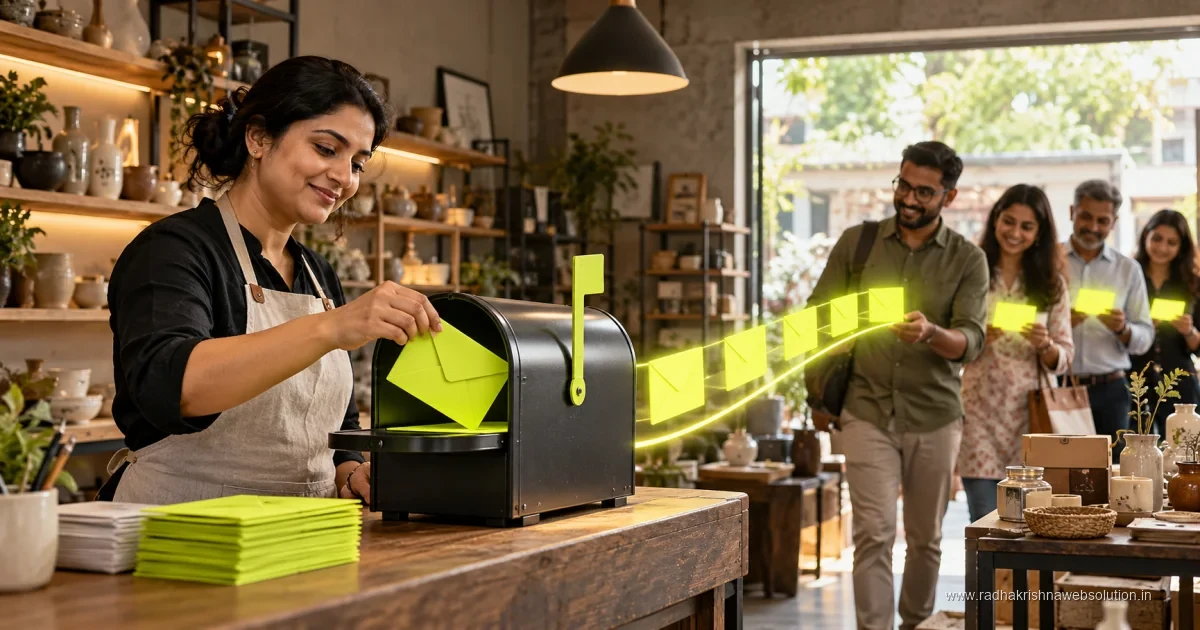
Remarketing for small businesses aims to reconnect with people who have already interacted with the business, where consent, platform rules and audience eligibility allow it. Define the next useful action, exclude unsuitable audiences and control repetition. Assess incremental qualified enquiries rather than assuming every return visit was caused by an ad.
Most website visitors leave without enquiring, and remarketing gives you a second chance to bring them back affordably. Before you start, improve your funnel with our guide to landing page optimisation for better leads and our playbook to reduce cost per lead so returning visitors convert better.
What Remarketing Means for a Small Business
Remarketing, also called retargeting, shows ads to people who already interacted with your business but did not convert. That could be a website visitor who checked pricing, someone who watched your Instagram video, or a lead who did not pick up the phone. Because these people already know you, they often enquire at a lower cost than cold audiences when the message is relevant.
Think of it as polite follow-up, not pressure. A coaching institute in Vadodara can remind demo attendees about batch dates. A furniture store in Pune can show the exact sofa range a visitor viewed. Our performance marketing work shows remarketing works best when your base traffic is at least a few hundred visitors a month and your offer is clear.
Where You Can Run Remarketing in India
You have three practical options. Google Display and YouTube remarketing can reach visitors across websites and videos with banners and short clips. Meta remarketing on Facebook and Instagram is strong for visual reminders, testimonials and WhatsApp chat nudges. WhatsApp, email and SMS follow-up, with consent, can support the same journey outside ad platforms and is often the highest-converting layer for SMBs.
You will need basic tracking in place. Install Google Tag, Meta Pixel and Conversions API, build audiences for visitors, engagers and video viewers, and keep UTMs clean as explained in our UTM tracking guide for small business. Allow a few days for audiences to populate before judging results.
Building Simple, Useful Audiences
Do not create dozens of tiny audiences you cannot sustain. Start with four to five segments based on intent and time. Recent visitors are usually more valuable than older ones, and pricing or checkout visitors are more valuable than homepage visitors. Exclude people who already converted so you do not annoy buyers with the same lead ad.
- All website visitors last 30 days excluding converters for general reminders.
- Pricing, service and contact page visitors last 30 to 60 days for stronger offers.
- Lead form starters or WhatsApp clickers who did not submit for follow-up help.
- Instagram and Facebook engagers plus 50 percent video viewers last 90 days.
- Past customer list for repeat purchase, referrals and festive offers with consent.
Set sensible durations. For most local services, 30 to 60 days is enough. For real estate, education and high-ticket services, 90 to 180 days can make sense because decisions take longer. If volumes are small, combine pages to keep audiences large enough to deliver.
Offers and Creatives That Bring People Back
Returning visitors need a reason to act now. Use creatives that answer doubts: reviews, before-after work, faculty or doctor introductions, EMI or pricing clarity, demo invitation and limited-batch messaging. Short vertical videos and carousels usually outperform single static images. Keep branding consistent so people instantly recognise you.
Match the message to the segment. Show service details to blog readers, fee and batch details to pricing visitors, and a direct WhatsApp nudge to people who started a form. Send clicks to the same page they left or to a simpler page with call and WhatsApp buttons. Ideas from our digital marketing team include adding FAQs, trust badges and a clear next step above the fold.
Measuring Results Without Fooling Yourself
Remarketing often shows good numbers because it targets warm users, but check incrementality. Compare overall leads, qualified leads and cost per qualified lead before and after launch, not just platform-reported conversions. Use clean UTMs, separate campaigns for prospecting and remarketing, and avoid double counting WhatsApp and form leads.
| Audience segment | Time window | Message angle |
|---|---|---|
| Homepage visitors | 30 days | Brand story plus bestsellers |
| Pricing page visitors | 30 to 60 days | Offer, EMI and demo reminder |
| Form starters, no submit | 14 to 30 days | Help to complete plus WhatsApp option |
| Video viewers and engagers | 90 days | Testimonials and behind the scenes |
Watch frequency so people do not see the same ad too often. Refresh creatives every four to six weeks, cap impressions where possible, and pause segments that spend without assisted conversions. Small, well-maintained remarketing often beats a large, ignored one.
Done well, remarketing helps Indian SMBs recover lost interest without raising cold budgets. If you want help setting up pixels, audiences and follow-up flows, contact RadhaKrishna Web Solutions or call +91 70962 91214 for a simple retargeting plan for your business.
How Much Budget Remarketing Needs for Small Businesses
Remarketing rarely needs a large standalone budget, but it does need consistency. For most SMBs, it works best as a smaller layer on top of prospecting. If your overall ad spend is modest, keep remarketing focused on high-intent pages and recent visitors first, then widen the window only when audiences are large enough to deliver steadily.
Start with one Google display or YouTube remarketing ad group and one Meta retargeting ad set, rather than many small splits. A tight setup learns faster and is easier to judge. For budgeting context, review our guide on Google Ads cost in India to set a realistic monthly test budget, and keep tracking clean with help from our conversion tracking setup guide so you judge by qualified enquiries rather than clicks.
Example Remarketing Campaign Structure for a Local SMB
Take a coaching institute in Vadodara or a home services brand in Pune with two platforms and three intent levels. Each level gets its own audience, message and landing page, and converters are excluded from lead campaigns so budgets go to people who still need to decide.
- Warm page visitors: pricing and service page visitors from the last 30 days with fee, batch and offer clarity plus call and WhatsApp options.
- Form starters and chat clickers: last 14 to 30 days with help to complete the enquiry and a direct chat link.
- Social engagers: video viewers and Instagram engagers from the last 90 days with testimonials, results and behind-the-scenes clips.
- Past customers: with consent, for repeat service, referrals and festive reminders, kept separate from new-lead campaigns.
| Campaign layer | Audience | Creative focus |
|---|---|---|
| Google remarketing | Pricing visitors, 30 days, excluding converters | Offer reminder plus demo or site-visit invitation |
| Meta retargeting | Video viewers and engagers, 90 days | Testimonials and work photos with WhatsApp nudge |
| Follow-up layer | Form starters with consent | Helpful reminder plus alternate contact option |
If you are deciding how much effort to put on each platform, our comparison of Google Ads vs Meta ads in India can help you match the channel to your ticket size and sales cycle.
Common Remarketing Mistakes Indian SMBs Should Avoid
The most common mistake is remarketing to everyone with the same ad. Homepage readers, pricing visitors and abandoned leads have different doubts, so one generic creative usually underperforms. Another frequent issue is keeping durations too long for small audiences, which leads to repetition and fatigue. Review frequency, refresh creatives regularly and keep high-intent segments separate from general visitors.
- Mixing prospecting and remarketing in one campaign, which hides true cost per qualified lead.
- Forgetting to exclude converters, so buyers keep seeing lead ads after purchase.
- Sending all clicks to the homepage instead of the page they left or a simpler enquiry page.
- Running the same creative for months without updating offers, reviews or batch dates.
- Ignoring WhatsApp, call and email follow-up, which often closes more leads than the ad itself.
Check audiences weekly and pause segments that spend without assisting enquiries.
How to Measure Remarketing Beyond Last-Click Leads
Platform reports often credit remarketing for conversions that search, social or word of mouth started. That does not mean remarketing is ineffective, but you should look beyond last-click numbers. Compare total qualified leads and cost per qualified lead with and without remarketing, check assisted conversions in GA4, and ask callers how they heard about you. Keep prospecting and remarketing in separate campaigns so each can be judged fairly.
Watch lead quality, not just volume. Track how many remarketing leads answer the phone, attend demos or request quotes, and how many become paying customers. Also monitor frequency and audience size, because very small pools can show unstable results. With consistent tracking, remarketing becomes a dependable second chance.
Official references and further reading
Frequently asked questions
How much traffic do I need to start remarketing?
You can start with a few hundred visitors a month. Combine pages if audiences are too small, and use Meta engagers and video viewers to build a usable pool faster.
Should prospecting and remarketing be in the same campaign?
Keep them separate. Separate budgets, audiences and creatives make it easier to judge true cost per qualified lead and control frequency for returning users.
How long should I keep users in remarketing audiences?
For most local services 30 to 60 days works well. Use longer windows up to 180 days only for high-ticket decisions like real estate or long courses.
How do I know if remarketing is really helping?
Compare total qualified leads and cost per qualified lead with and without remarketing. Check assisted conversions and keep UTMs clean so warm campaigns do not take credit for demand built elsewhere.