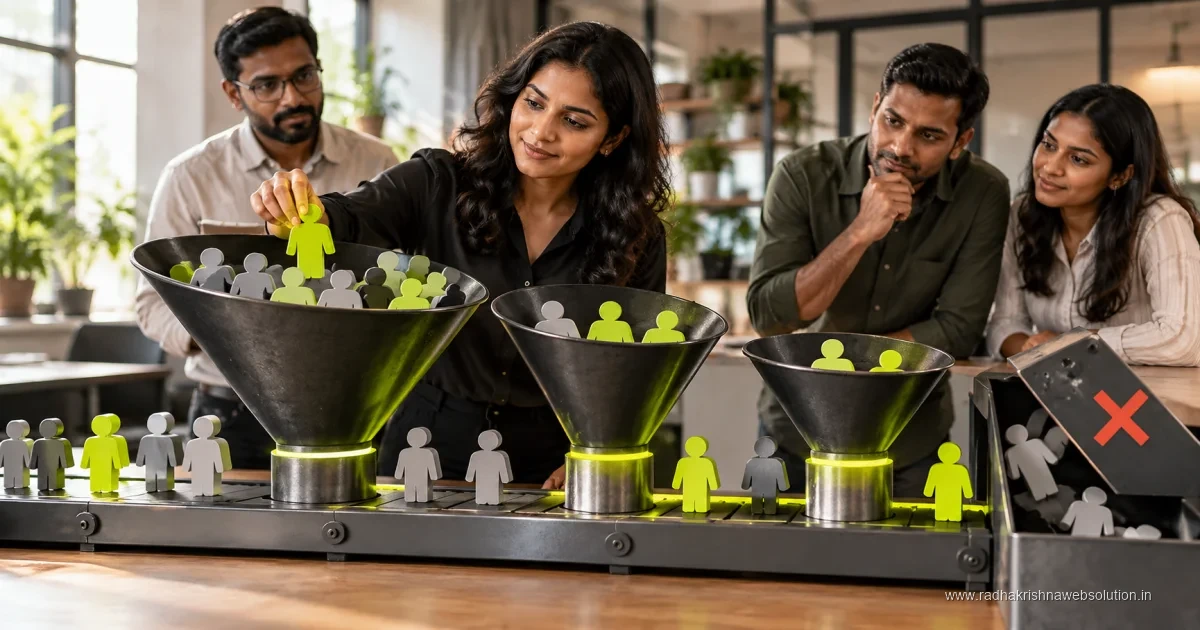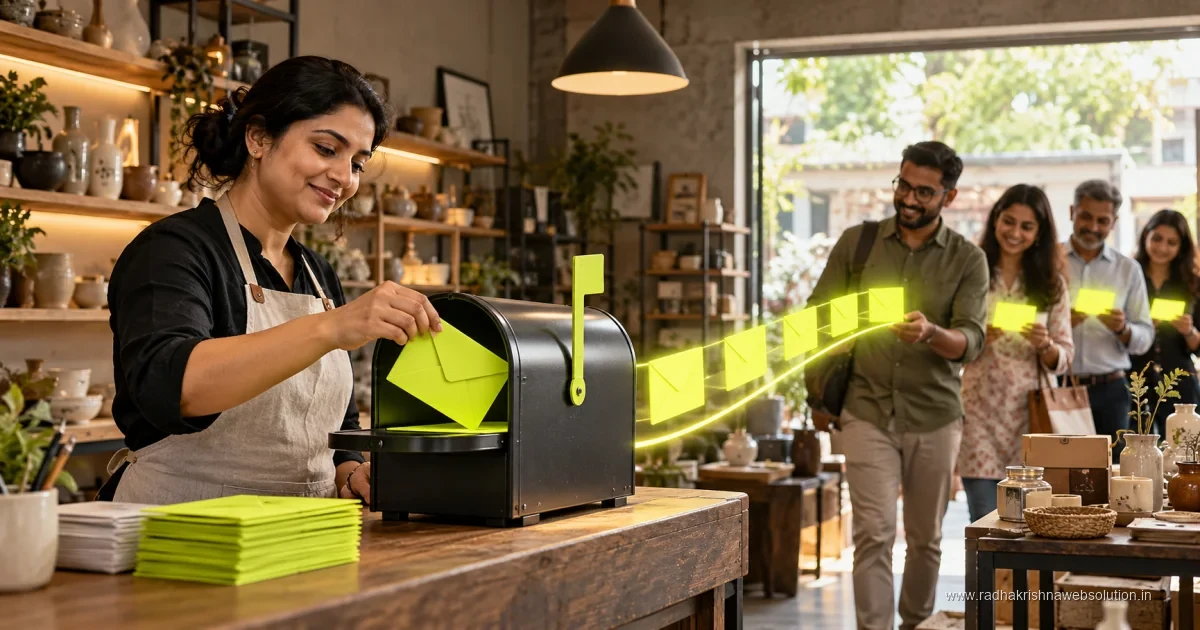
Meta Ads for small businesses in India should start with a clear objective, suitable offer and a working measurement plan. Match the creative and destination to the intended customer action, then test lead quality and follow-up. Set an agreed budget and evaluate results before expanding the campaign.
When spend produces clicks but few useful enquiries, work through the Meta Ads no-leads diagnosis. It checks the conversion journey and tracking before recommending another audience or a larger budget.
For many Indian small businesses, Meta ads on Facebook and Instagram are the fastest way to get enquiries without waiting months for organic reach. If you are comparing channels, start with our guide on Google Ads vs Meta ads in India and our framework for marketing budget allocation for small business so you spend with a clear plan.
Why Meta Ads Work Well for Indian SMBs
Meta covers Facebook, Instagram, Messenger and the Audience Network, which together reach a very large share of Indian mobile users across cities and age groups. For a boutique in Pune, a coaching class in Vadodara, or a home services brand serving a few pincodes, that reach can be narrowed to a practical local audience. You can target by location, age, gender, interests, behaviours and life events, and you can also upload your customer list to find similar people.
Intent on Meta is different from search. People discover you while scrolling rather than searching for you. That makes Meta strong for demand creation, new launches, admissions, festive offers, real estate site visits and appointment bookings. Our performance marketing team usually recommends Meta when you have a clear offer, strong photos or short videos, and a fast follow-up process on WhatsApp or phone.
How Much Budget Do You Need to Start
You do not need a huge budget to test Meta ads, but you do need enough to learn. For most local SMBs, a directional test budget of Rs. 500 to Rs. 1,500 per day for two to three weeks is enough to understand cost per lead and creative response in one city. Service businesses with higher ticket sizes may need a slightly higher daily budget because fewer people convert. Avoid splitting a small budget across too many ad sets, cities and objectives at once.
Keep expectations practical. The first week shows which audience and creative gets response. The second and third weeks are for improving the landing page, lead form and follow-up speed. If you pause too early or change targeting every day, the system never stabilises. Track spend, leads, qualified leads and site visits separately instead of judging only on likes and reach.
Choosing Objectives, Audiences and Placements
Start with one objective that matches your goal. Use the Leads objective for enquiries, Sales for online purchases, and Engagement or Video Views to build a retargeting pool. For most SMBs, Leads with Instant Forms or WhatsApp chat works well because it reduces friction on mobile. If you send traffic to your website, apply the same discipline explained in our conversion tracking setup guide so enquiries are counted correctly.
- Core local audience: radius around your store or service area plus relevant age and interest filters.
- Lookalike of past buyers: upload customer phones or emails to find similar users in Maharashtra and Gujarat.
- Retargeting pool: website visitors, Instagram engagers and video viewers from the last 30 to 90 days.
- Broad test: one ad set with only location, age and gender when you have strong creative and want the system to find buyers.
For placements, keep Advantage placements in the beginning unless you have a strong reason to restrict. Reels, Stories and Feed usually drive most results for Indian SMBs. Review placement reports after a week and exclude only placements that spend without any leads.
Creatives That Convert for Local Buyers
Creative decides most of your result on Meta. Use real photos and short vertical videos of your shop, team, students, work progress and customer reviews. Founder-led videos in Hindi, Marathi, Gujarati or Hinglish often build more trust than polished stock images. Keep the first three seconds clear about who you are, where you are and what the offer is. Add captions because many users watch without sound.
Keep copy simple and specific. Mention the city, the problem you solve, the offer and the next step. For example, a salon in Pune can state the area, package, validity and WhatsApp button in two short lines. Always link to a fast mobile page. If your page is slow or confusing, fix it with ideas from our guide to landing page optimisation for better leads before you scale spend.
Tracking, Follow-up and Mistakes to Avoid
Install the Meta Pixel and Conversions API, verify your domain and set up events for ViewContent, Lead and Purchase. Use UTMs for every ad so you can judge performance in GA4 and not only in Ads Manager. Our notes on UTM tracking for small business and digital marketing reporting will help you keep source data clean.
| Campaign objective | When to use it | Good fit example |
|---|---|---|
| Leads with Instant Form | You want quick enquiries on mobile | Coaching enquiry in Vadodara |
| Leads with WhatsApp | You close on chat or call | Dental clinic appointment in Pune |
| Sales | You sell online with checkout | Boutique or D2C store |
| Engagement and Video Views | You want a retargeting pool | New restaurant launch offer |
Speed of follow-up matters more than most settings. Call or WhatsApp new leads within a few minutes during working hours and keep a simple qualification script ready. Common mistakes we see are running traffic campaigns and expecting sales, using one creative for months, ignoring comments and inbox messages, and not filtering spam leads. Review comments, lead quality and cost per qualified lead every week.
Meta ads can give Indian SMBs steady enquiries when targeting, creative and follow-up work together. If you want help with setup, tracking and monthly optimisation, contact RadhaKrishna Web Solutions for a practical plan or call us on +91 70962 91214 for a quick review of your account.
Monthly Budget Planning Example for Different Ticket Sizes
Meta budgets should follow ticket size and sales cycle, not a fixed formula. A salon or cafe with quick decisions can learn from a compact test in one area, while a real-estate project or premium course needs a longer window because fewer people enquire and decisions take time. In both cases, keep spend focused on one city and one primary offer for the first few weeks so results are readable.
Plan in phases: learn what responds, improve pages and follow-up, then scale what already brings qualified leads. If you are weighing search against social for the same budget, our guides on Google Ads cost in India and SEO vs Google Ads can help you split spend sensibly rather than guessing.
Example Meta Campaign Structure With Two to Three Ad Sets
Small accounts do better with fewer ad sets. Keep one for prospecting, one for retargeting, and add a lookalike test only once basics work. Each ad set gets distinct creative and enough budget to learn.
- Prospecting: local radius plus age and interest filters with offer-led video and carousel creatives.
- Retargeting: website visitors, engagers and video viewers with testimonials and WhatsApp reminders.
- Lookalike or broad test: only after tracking is stable, with one strong creative and tight geography.
| Ad set | Audience idea | Creative direction |
|---|---|---|
| Local prospecting | Service area plus relevant interests | Offer video with city, price direction and next step |
| Warm follow-up | Visitors and engagers, 30 to 90 days | Reviews and behind-the-scenes with chat nudge |
| Similar buyers | Customer-list lookalike in one state | Best-performing creative only |
Keep lead handling identical across ad sets so differences in results reflect targeting and creative, not follow-up speed. Ideas from our playbook to reduce cost per lead can help you tighten forms, pages and response time together.
Common Scaling Mistakes After Early Wins
Early leads often tempt SMBs to scale too fast. Common mistakes include duplicating many ad sets with tiny budgets, raising spend sharply overnight, expanding to new cities before the funnel is ready, and changing creatives every day. Each of these restarts learning and makes results harder to read.
- Splitting a small budget across too many ad sets, cities and objectives at once.
- Scaling spend before landing page, WhatsApp and call follow-up can handle volume.
- Keeping one tired creative running for months, then replacing everything at once.
- Ignoring comments, inbox and spam filters while lead quality slips.
- Judging only on cost per lead without checking qualification and booking rates.
Scale gradually on proven ad sets and refresh creatives on schedule.
How to Measure Meta Ads by Qualified Leads and Bookings
Ads Manager shows leads, but your register shows business. Track how many Meta leads answer, qualify and book visits or buy. Compare cost per qualified lead across ad sets and keep a simple sheet with source, date and outcome.
Review weekly with your team. Pause ad sets that bring repeated outstation or irrelevant enquiries, improve questions on instant forms to filter better, and strengthen the landing page where drop-offs cluster. Steady measurement turns Meta into a predictable pipeline.
Official references and further reading
Frequently asked questions
What is a good starting budget for Meta ads for a small business in India?
Many local SMBs start with a directional test of Rs 500 to Rs 1,500 per day in one city for two to three weeks. Keep to one or two campaigns so you get enough data to judge cost per qualified lead.
Should I use lead forms or website leads for Meta ads?
Instant forms and WhatsApp chats usually give more leads on mobile, while website leads are easier to track and qualify. Test one primary flow first and ensure fast follow-up on phone or WhatsApp.
How long before I know if Meta ads are working?
Allow at least two to three weeks before deciding. Use the first week to test audiences and creatives, then improve your landing page, offer and follow-up speed before scaling.
Why are my Meta leads not converting to sales?
Low conversion usually comes from slow follow-up, broad targeting or a weak landing page. Call within minutes, tighten areas and filters, and check how many leads are qualified before raising spend.